Global economic giant faces major drop due to Canadian travelers
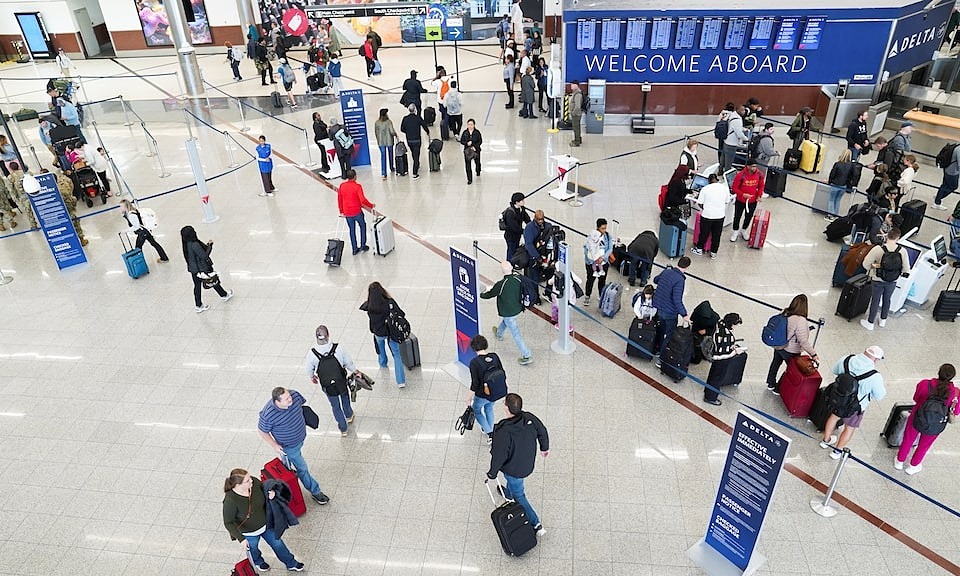
Rising Trends in Canadian Travel to International Destinations
More Canadians are choosing to experience the magic of Disney across the Atlantic Ocean, as fewer foreign visitors opt for the United States despite global travel trends remaining strong. This shift is being closely observed by travel agencies and companies that specialize in Disney vacations and other types of travel.
Reasons Behind the Shift
Travel agents have noted that Canadians are increasingly deciding to avoid traveling to the U.S. due to a variety of factors. President Donald Trump's ongoing trade war, threats to seize Greenland, and aggressive immigration enforcement efforts have contributed to making the U.S. a less appealing destination for some travelers.
According to the U.S. Commerce Department's National Travel and Tourism Office (NTTO), total foreign travel to the U.S. in 2025 was down 5.4% through November. The drop was led by 4 million fewer visits from Canadian travelers, representing a 22% decrease from the previous year.
Impact on Disney Vacations
Christine Fiorelli, owner of Canadian travel agency Fairytale Dreams & Destinations, has seen a 30% shift in clients who typically book U.S. Disney vacations. These clients are now turning to destinations like Disneyland Paris.
"Many travelers are still eager for that magical Disney experience but prefer to avoid supporting U.S.-based parks at this time," said Fiorelli. "It still holds a place in their heart, but not now."
Walt Disney CFO Hugh Johnston mentioned during the company's latest earnings call that there was less visibility into international bookings for the second quarter. The company has since shifted its marketing and sales efforts to focus more on domestic travelers.
Personal Experiences
Catherine Norris, a 57-year-old from the Toronto area, shared her family's decision to avoid U.S. destinations. She and her husband have visited Disney World with their family every year since 2008. However, they have booked a Disney vacation in Europe and back-to-back Disney cruises departing from Singapore instead.
"It will probably be at least five to ten years before we will travel to the U.S. again," Norris said.
In 2024, Canada was the top market for visitors to Orlando, home of Walt Disney World, with a record 1.2 million visitors, according to Visit Orlando, the city's destination marketing firm. However, Visit Orlando has not released 2025 figures yet.
Potential Shifts and Challenges
The outlook for U.S. tourism could change with the upcoming World Cup football tournament set to start in June. Anna Kelly, White House deputy press secretary, stated that President Trump has done more for American tourism than anyone, emphasizing his America First agenda.
However, the World Travel and Tourism Council estimates a 6% drop in foreign visitors to the U.S. in 2025, even as global tourism rose 6.7%.
Effects on U.S. National Parks
The decline in travel is also affecting U.S. national parks, according to travel agencies. Australia-based Intrepid Travel, which offers over 300 U.S. national park tours, reported a 42% drop in bookings for 2026, particularly from Canada, the U.K., and Australia, with Canada bookings plummeting 93%.
U.K.-based luxury travel agency Cazenove+Loyd scrapped plans for tailor-made itineraries centered around parks in states like Montana, Washington, and California.
"It might not be quite the time to launch something that is dedicated to the States," said Christopher Wilmot-Sitwell, co-owner.
Economic Impacts
Hotel operator Hilton Worldwide's full-year results showed per-room revenue and occupancy rates fell in the United States in 2025 despite rising in every other region. At a conference in January, Marriott International CEO mentioned working to convince government officials to be more welcoming to international visitors, according to a report by CoStar, a hotel analytics firm.
Bookings by Europeans to the U.S. between Oct. 7 and Jan. 31 were down 14% year-over-year, according to flight analytics data firm Cirium, while bookings from Canada fell 17% in the same period.
Additional Concerns
The White House's recent proposal to require millions of travelers to submit social media data has added to the uncertainty, travel agents said. The U.S. Travel Association, an industry group, warned this could cause millions of vacationers to go elsewhere, as the administration's immigration enforcement efforts have led to a perception that it's harder to travel to the U.S., said Erik Hansen, the group's head of government relations.
"When you look at the data, the number of phone searches by the U.S. Customs and Border Protection, the number of denied entries has not gone up compared to previous administrations," he said.


